
Day 10: Goddess Dussehra / Vijayadashami
The Day of Victory
Triumph of Dharma over Adharma & Auspicious New Beginnings
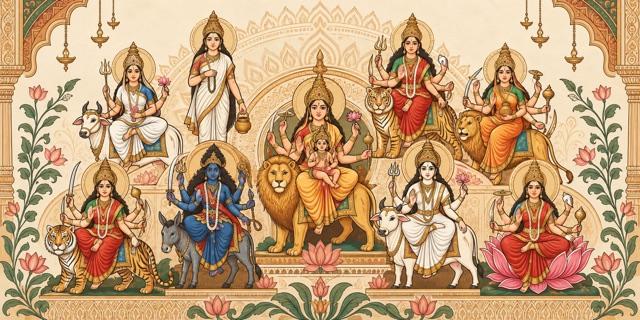
Goddess Dussehra / Vijayadashami
The Day of VictoryDivine Attributes & Symbolism
"The culmination of the festival. It celebrates the victory of Goddess Durga over the buffalo demon Mahishasura, and Lord Rama's defeat of the demon king Ravana. It marks new beginnings and the ultimate triumph of dharma (righteousness)."
Sacred Dhyana Mantra & Chanting
Sarvamangalamangalye Shive Sarvarthasadhike | Sharanye Tryambake Gauri Narayani Namo'stu Te || Ramaya Ramabhadraya Ramachandraya Vedhase | Raghunathaya Nathaya Sitayah Pataye Namah ||
Day 10 Sadhana Vow Checklist
Track your daily Navratri upasana commitmentsThe Sacred Lore of Goddess Dussehra / Vijayadashami
Vijayadashami, popularly celebrated as Dussehra, is the glorious grand finale of the 10-day festival. The name Dussehra derives from 'Dasha-Hara' (remover of the ten heads/sins). On this day, Goddess Durga vanquished the buffalo demon Mahishasura after a grueling ten-day war, liberating the celestial realms and humanity. Simultaneously in the Treta Yuga, Lord Sri Rama invoked Goddess Durga's blessings through the Aparajita Stotram and shot the fatal Brahmastra arrow to defeat the ten-headed demon king Ravana in Lanka, rescuing Mother Sita and restoring Dharma across the universe. It is the most auspicious day of the year for starting new enterprises (Vidyarambham, Seemollanghanam, Shami Puja), stepping forward in sadhana, and celebrating the eternal triumph of truth.
The ten heads of Ravana represent ten inner defects: Lust (Kama), Anger (Krodha), Delusion (Moha), Greed (Lobha), Pride (Mada), Jealousy (Matsarya), Mind (Manas), Intellect (Buddhi), Ego (Chitta), and Self-Conceit (Ahankara). Vijayadashami is the conscious burning of these vices within oneself.